Room by Room, Dollar by Dollar: How to Slash Your Home's Carbon Footprint Without Losing Your Mind
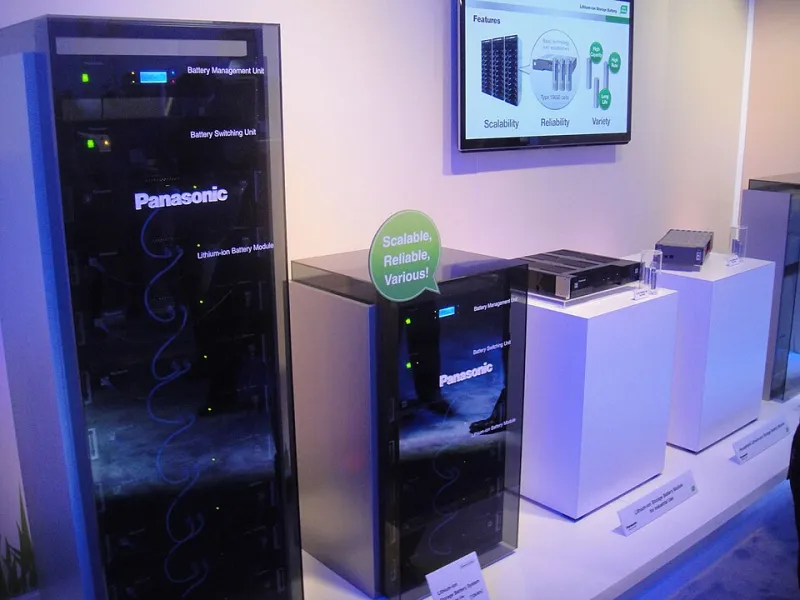
Photo: The Conmunity - Pop Culture Geek from Los Angeles, CA, USA, CC BY 2.0, via Wikimedia Commons
Here's something most people don't realize: the average American home produces roughly 8 metric tons of carbon dioxide emissions every single year. That's not counting your car. That's just... your house, quietly doing its thing while you sleep, cook dinner, and binge TV.
The good news? A big chunk of that number is within your control. The tricky part is knowing where to focus first. Swap out a lightbulb and feel virtuous, sure—but if your water heater is from 2003 and your attic has the insulation value of a paper bag, you're rearranging deck chairs.
This isn't a list of 47 things to feel guilty about. Think of it more like a home audit you can actually act on, starting with the stuff that moves the needle most.
Start Here: The Systems That Run Your House (And Eat the Most Energy)
Heating and Cooling — Your Biggest Villain
HVAC systems account for nearly half of a typical home's total energy use. Half. If your furnace or central air unit is more than 15 years old, it's almost certainly running inefficiently—and costing you real money on top of the carbon hit.
The single highest-impact upgrade most homeowners can make right now is switching to a heat pump. Modern heat pumps work as both a heater and air conditioner, and they're dramatically more efficient than gas furnaces or traditional electric resistance heating. The upfront cost can feel steep (anywhere from $4,000 to $10,000+ installed), but the federal Inflation Reduction Act currently offers a tax credit covering up to 30% of the cost. Many states and utilities stack additional rebates on top of that.
Not ready to replace the whole system? Start smaller:
- Get a smart thermostat. A Nest or Ecobee runs $150–$250 and can cut heating/cooling bills by 10–15% just by learning your schedule.
- Seal air leaks first. Weatherstripping doors, caulking around windows, and sealing gaps around pipes can reduce energy loss by up to 20%. This is cheap—we're talking a Saturday afternoon and maybe $50 in materials.
Water Heating — The Sneaky Second Biggest
Your water heater is responsible for about 18% of your home's energy use, and most people never think about it until it breaks. If yours runs on natural gas and is over ten years old, it's a serious carbon source.
Heat pump water heaters are the upgrade here. They use electricity to move heat rather than generate it, making them two to three times more efficient than conventional electric models. They qualify for a $300 federal tax credit, and in many states, utility rebates can bring the net cost below $500 after incentives. If a full replacement isn't in the budget, lowering your water heater's temperature to 120°F (from the factory default of 140°F) is a free, five-minute fix that saves both energy and the risk of scalding.
The Envelope: Walls, Windows, and the Attic You're Ignoring
Before you upgrade any mechanical system, it's worth asking: how well does your home actually hold onto the energy it uses? A well-sealed, well-insulated house is like a good cooler—it keeps things stable with less effort.
Attic insulation is almost always the highest-ROI improvement for older homes. Heat rises, and if your attic isn't properly insulated (the Department of Energy recommends R-38 to R-60 for most of the US), you're essentially heating the sky. Adding or upgrading attic insulation typically costs $1,500–$3,500 for a professional job and can cut heating and cooling costs by 15% or more.
Windows get a lot of attention, but they're rarely the best place to start. Replacing single-pane windows with double or triple-pane units is expensive (often $600–$1,000 per window installed) and has a long payback period. If your windows are drafty, interior window insulation film or heavy thermal curtains are a much more cost-effective stopgap.
Kitchen and Laundry: Appliances That Quietly Add Up
Your kitchen is a carbon hotspot hiding in plain sight, especially if you're cooking with gas.
Induction cooktops are more efficient than both gas and traditional electric ranges, they heat faster, and they don't pump combustion byproducts into your indoor air (more on why that matters in our article on indoor air quality). If a full range replacement isn't in the cards, a single-burner induction cooktop runs $40–$80 and can handle most everyday cooking.
In the laundry room, the dryer is the energy hog. Washing clothes in cold water is one of the easiest high-impact habit shifts—about 90% of a washing machine's energy goes toward heating water. And if you can air-dry even some of your laundry, you'll put a noticeable dent in your electricity use over the course of a year.
Lighting and Electronics: Worth Doing, Not Worth Obsessing Over
Yes, swap any remaining incandescent bulbs for LEDs. Yes, unplug devices that draw standby power. These things matter, but they're the garnish, not the main course. Lighting accounts for only about 9% of home energy use, and electronics vary wildly. Don't let optimizing your power strips distract you from the bigger wins above.
Building Your Personal Priority List
Every home is different, and the best upgrades for a drafty 1960s ranch in Minnesota look nothing like the right moves for a 2010 townhouse in Phoenix. Here's a simple framework:
- Fix the leaks first — air sealing and insulation pay off regardless of what you do next
- Upgrade the biggest energy users — HVAC and water heating before anything else
- Look at your fuel sources — transitioning from gas to electric (especially if your utility uses renewable energy) has outsized climate benefits
- Layer in appliance upgrades as equipment reaches end of life
- Check your incentives — the Database of State Incentives for Renewables & Efficiency (dsireusa.org) is free and lists every available rebate by zip code
The goal isn't perfection. It's momentum. Pick one thing from this list, do it, and then come back for the next one. Your home can absolutely be part of the solution—it just takes knowing where to look.